The Dacor AutoRelease door is the mechanism that pops a dishwasher door open a few inches at the end of a cycle so moist air can leave and the load dries. It is a small assembly doing a mechanical job on a heavy, panel-loaded door, and when it stops working the question is whether to repair it, live without it, or treat it as a sign the machine is near the end. The answer depends on what has actually failed, and that is usually visible.
Why the door pops at all
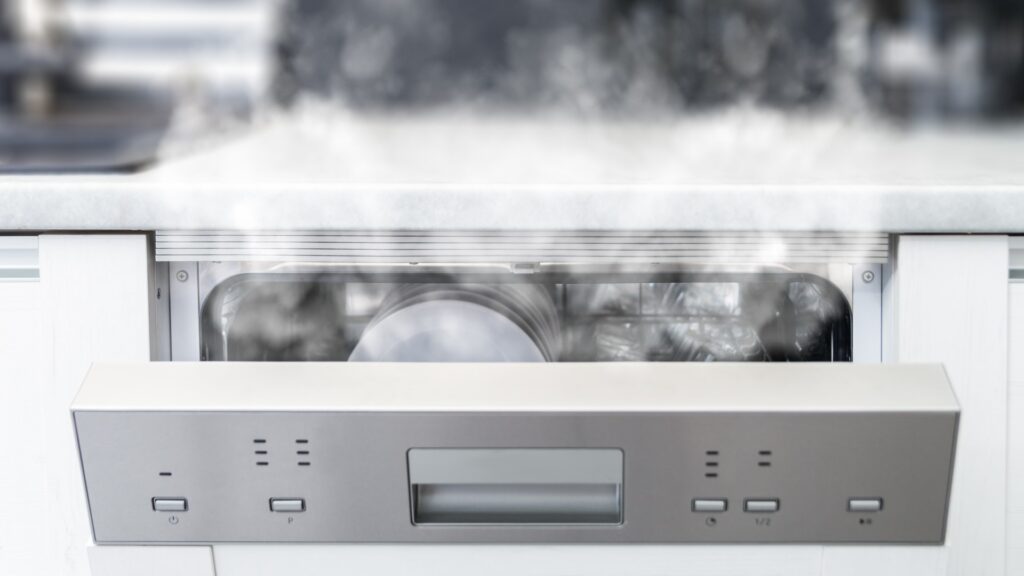
Modern dishwashers dry by condensation rather than with a heating element: the load finishes hot, moisture condenses on cooler surfaces and drains away. Opening the door slightly at the end accelerates that by letting saturated air out and room air in, and it makes a measurable difference to plastics in particular.
That is the whole purpose, and it explains the failure people notice: when the mechanism stops, the machine does not error. It simply finishes with the door closed, the load stays damp, and the complaint arrives as “the dishwasher stopped drying” rather than as a door fault.
Things that look like a failure and are not
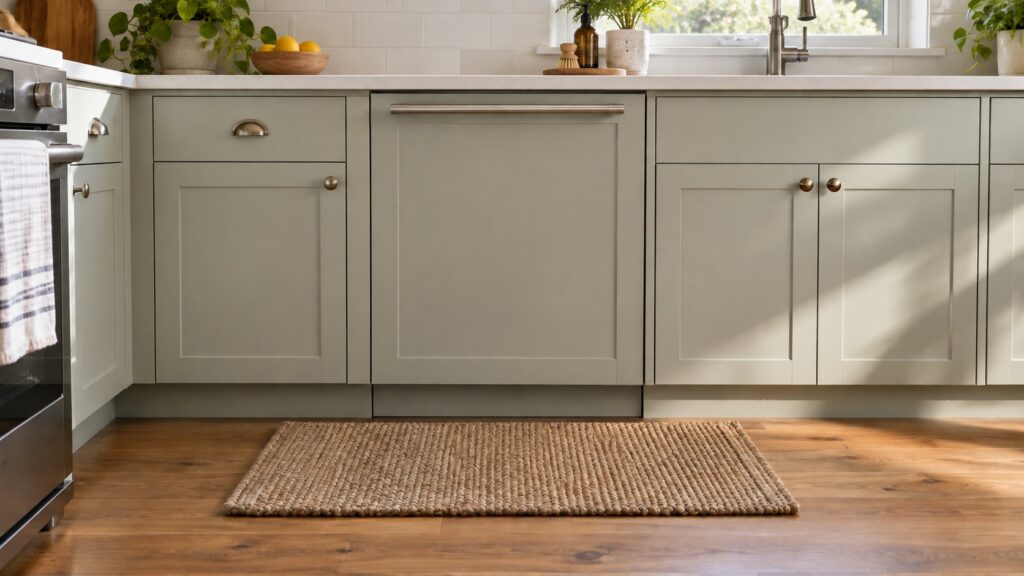
- Something in front of the door. A mat, a chair, a pet bowl, a bin. The mechanism gives a gentle push and stops against resistance — by design, because it should not force anything.
- A panel-ready door that has settled. The custom panel adds weight, and a door that has dropped slightly binds against the cabinetry. The mechanism is then working against friction it was not sized for.
- The cycle has not actually finished. A paused or interrupted program never reaches the step that fires the release.
- The setting is off. Some machines allow the feature to be disabled, and a settings reset after a power event can quietly change it.
- The door was opened during the cycle. Depending on where it resumes from, the end-of-cycle step may not run.
Work through those before booking anything. In our experience most calls about this feature end in the first two.
What genuine failure looks like
Repair, or live without it
This is a feature failure, not a machine failure, and that distinction shapes the decision.
Repairing it makes sense when the machine is otherwise sound and the assembly is available as a part. The job is contained: it is not the pump, the control or anything in the water path, and the estimate reflects that.
Living without it is genuinely viable. Open the door a few inches yourself at the end of the cycle, or a little later, and the drying result is the same. Plenty of households run this way for years. Nothing else in the machine depends on the mechanism, and leaving it unrepaired does not cause damage.
Replacing the machine only becomes the answer when this failure sits alongside others — a pump getting noisy, results dropping, a door seal past its best, a control that has already been intermittent. Our page on dishwasher repair tips and the site’s two eras explained page are worth reading here, because parts availability differs sharply between platform generations and that is often what really decides it.
The panel-ready factor
On a panel-ready installation the mechanism is pushing a door carrying a cabinet panel — considerably more mass than a stainless door, and mass that was fitted by whoever built the kitchen rather than by the appliance maker. Two things follow.
First, the panel has to be within the weight and dimension limits in the instructions. An overweight panel works on day one and overloads the hinges and the release over years.
Second, clearance at installation is a design decision. The site’s page on panel-ready dishwasher installation covers confirming the panel dimensions, the connections and the clearance the mechanism needs — which is exactly the check that prevents this call.
One habit that helps either way
Whether the mechanism works or not, the load dries better if the machine is left alone for twenty minutes after the cycle ends. The release is an accelerator, not a substitute for that time: the exchange between hot dishes and cooler surfaces is still doing the work, and unloading immediately interrupts it at the point where the temperature difference is largest.
Unload the top rack first as well. Cups and bowls on the upper rack hold drips on their bases, and taking the lower rack out first means those drips land on dishes that were already dry.
What we do on the visit
We watch a cycle end, because the failure mode is visible in that one moment: whether the actuator is driven, whether the door moves and stops, or whether nothing happens at all. Then we check the door’s weight, alignment and swing, and we look at the hinge springs, because a door that has become heavy to open by hand is telling you the same thing the mechanism found out.
If it is the assembly, you get the estimate and the honest alternative — that this is a feature you can live without — before deciding.
When to call
Call when the door does not release with clear space in front of it, when the mechanism sounds but the door does not move, when the door pops during a cycle, when the door has become hard to latch, or when drying has dropped off and you would like the cause identified rather than guessed.
We are an independent repair company and not a factory service arm. Pricing starts from a diagnostic visit and we confirm the estimate before any work begins. Dacor dishwasher repair covers doors, latches, pumps, heaters and controls, and you can schedule a visit online.