For a Dacor oven self clean, wipe up heavy spills first, take out the racks and accessories unless the manual says to leave them, open a window or run the hood, keep pets (especially birds) and children out of the kitchen, start the cycle when you will not need the oven for several hours and wipe away the ash after the oven has cooled. Never use commercial oven cleaner in a self-cleaning oven.
The self-clean cycle is the easiest way to get a baked-on oven clean, and it is also the cycle that generates the most calls about smoke, locked doors and error codes. The cycle works by heating the cavity far hotter than any recipe, so that grease and spills turn to ash. That is simple and effective when you prepare, and surprisingly rough on an oven that was not ready. These Dacor oven self clean tips explain how to prepare, what to expect during the cycle, how to finish and what to do if the oven refuses to start or throws a code. Settings and times differ between models, so your manual has the final word.
How should I prepare a Dacor oven for self-clean?
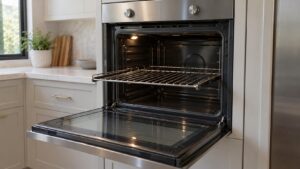
Start by removing everything you can. Take out the racks unless your manual says the racks are safe to leave in, since the high heat can discolor them and make them hard to slide. Remove pans, foil, the meat probe and any other accessories. Then wipe up heavy spills, thick grease and any sugary drips with a damp cloth and a little dish soap. Large puddles of food burn into a thick layer of ash and can smoke heavily, while a light film turns to powder.
Do not scrub the door gasket, if your oven has one: it is delicate, and the manual normally tells you to leave it alone. Do not use commercial oven cleaner anywhere in a self-cleaning oven. The residue can burn off with harsh fumes and may damage the coating. Check that nothing flammable, such as towels, sits on or near the oven door, because the outside gets hot.
What should I expect while the cycle is running?
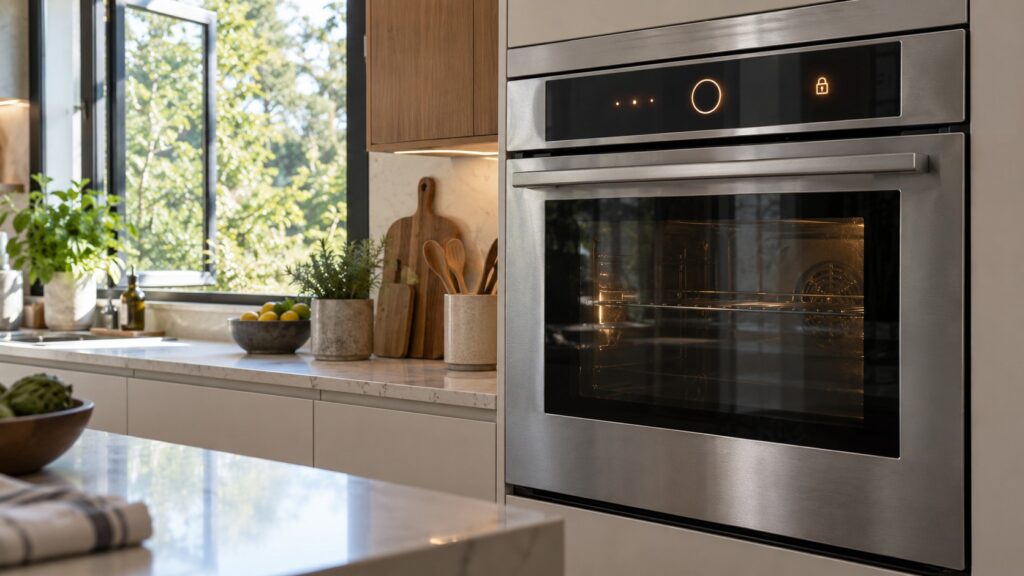
The door locks, the display counts down and the oven heats to a temperature far above anything you bake at. You will notice heat around the oven, a hot smell and perhaps a little smoke, especially the first time or when the oven is dirty. That is normal, and it is the reason to ventilate the kitchen. A burning smell that is mostly fat and sugar fades as the cycle continues. A smell of hot plastic, an electrical odor or heavy smoke that does not stop is a reason to cancel the cycle and let the oven cool.
Do not try to open the door while it is locked. The lock is a safety feature, and forcing it can damage the latch. If power goes out during a cycle, the oven may stay locked until it cools, and the settings may reset; our Dacor power outage recovery guide explains what to do when power returns. Keep the cooktop and the kitchen free of items that could be damaged by the heat radiating from the oven.
Why should pets, especially birds, be kept away?
The fumes from a self-clean cycle include the vapor from burning residues and, on some ovens, from nonstick coatings in the cavity, and they can be dangerous to pet birds, whose lungs are very sensitive. Keep birds in a different part of the house, with a closed door and good ventilation, not just in another room of the same airflow. Children and other pets should also stay out of the kitchen during the cycle, because the oven door and the surrounding surfaces get hot enough to burn.
Use the hood or open a window for the whole cycle and for a while afterward. If anyone in the household has asthma or breathing problems, run the cycle when they are away or can stay somewhere else.
How do I finish after the cycle ends?
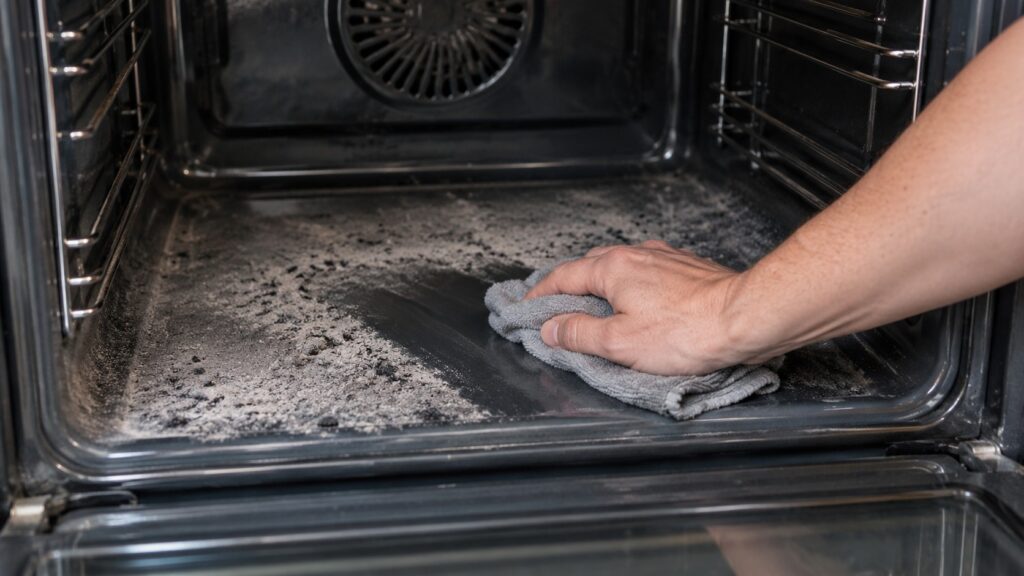
Wait until the display shows the cycle is done and the door unlocks. Let the oven cool fully, since opening it too soon exposes you to heat. Then wipe out the white or gray ash with a damp cloth, paying attention to the corners and the bottom, and replace the racks. If some stains remain, run a second cycle only after wiping the ash, or scrub the spot with a damp sponge. A bit of residue near the door frame, where the self-clean heat does not reach as strongly, is normal.
Think about how often to clean. Running self-clean every few months, or when spills become heavy, is enough for most households. Constant cycles stress the lock, the element and the wiring. For routine upkeep, wipe spills when they are cool and follow the advice in the Dacor wall oven maintenance guide, which also explains how neglect leads to fault codes.
What if the self-clean will not start or the oven shows a code?
If the cycle will not start, check the basics: the door fully closed, the control lock off, the clock set, no timer or delay running and the oven cool. The page on a self-clean that won’t start lists the usual causes, including a latch that does not engage. If the door will not unlock after the cycle, the guide to Dacor oven door lock codes compared helps you tell a normal wait from a fault. A burning smell on a clean oven is covered on the page for an oven burning smell after power on.
If the display shows a letter code during or after a cycle, read Dacor oven F-codes versus C-codes to see the families. Heat stress can show up in a sensor or a lock, and a technician can test each part. Steam ovens have their own care routine, so check the RealSteam oven guide for how they differ. For help, see Dacor oven repair or schedule a visit.