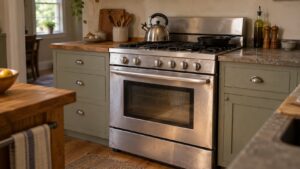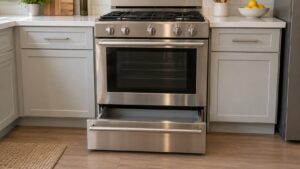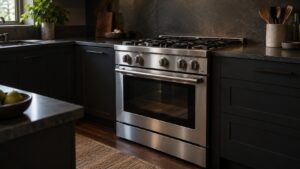
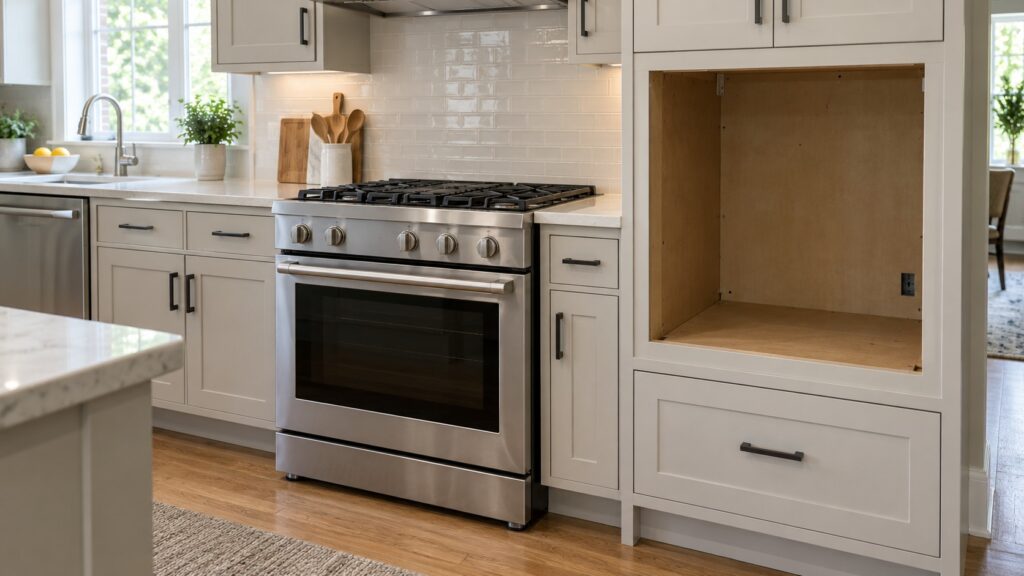
Choosing a Dacor range or wall oven and cooktop comes down to how your kitchen is built and how you cook. A range is one appliance with burners on top and an oven below, governed by one control panel. A wall oven plus a cooktop is two appliances: an oven set into the cabinetry at a height you choose and a flush surface set into the counter, each with its own controls. A range is simpler to plan and to service; the pair gives you freedom in layout and, on a Dacor, a choice of induction or gas for the surface. This guide walks through the decision in the order that matters.
What is the difference between a Dacor range and a wall oven with a cooktop?
A range is a single freestanding or slide-in appliance that combines a cooking surface with an oven cavity underneath and one integrated control panel. Our page on rangetop, cooktop or range says the current Modernist Pro ranges, such as the DOP48M96DL and DOP36T86DLS, are dual-fuel: gas burners on top and an electric convection oven below, with a shared control system running both. A cooktop, by contrast, is a flush-mounted surface with no oven below it, and a wall oven is the separate oven set into a cabinet. If you want the oven at eye level, or want an induction surface, the pair is the route. If you want one footprint and one set of controls, a range is.
A rangetop is a third option: a professional-style gas surface with heavier burners and knob controls. We cover it separately in our rangetop buying guide.
How much space and layout do you have?
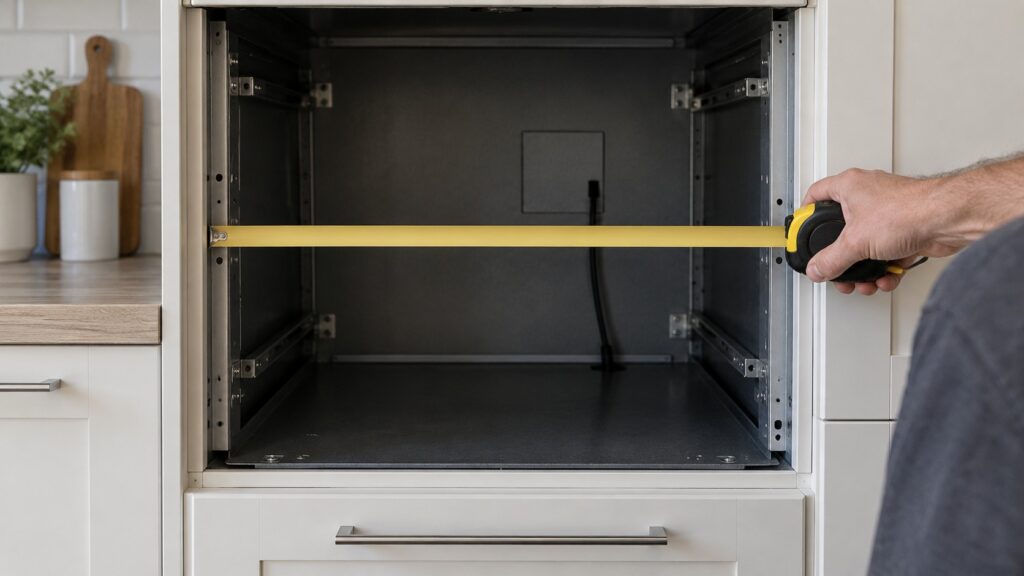
Start with the room. A range occupies one opening and needs ventilation above it. A wall oven needs a cabinet cutout with support beneath and around it, and a double oven is taller and heavier. Our wall oven installation guide says a single and a double of the same nominal width occupy meaningfully different cabinet heights, so confirm single or double from the model number, not just the width. The cooktop needs its own counter cutout, with cabinetry or drawers beneath rather than an oven. Take the measurements from the installation sheet for the specific model; our pages do not give a general figure, and none should be assumed.
Is gas or induction better for the cooking surface?
That choice only exists on the pair path. Our cooktop buying guide for induction versus gas says induction only heats cookware a magnet sticks to, so aluminum, copper and other non-magnetic pans will not heat on an induction zone, while gas works with any cookware. Induction models in the lineup run a frameless black-glass surface that needs a ceramic-cooktop cleaner rather than abrasive pads, and they may draw more electrical current than a gas cooktop’s ignition and controls. Gas gives the visible flame and the Illumina knobs that glow white when a burner is active. A range in the current lineup is dual-fuel, so the surface is gas.
What does each option mean for the oven?
Both routes can give you an electric convection oven. On the range side, our range buying guide lists 30-inch, 36-inch and 48-inch dual-fuel models, some with Steam-Assist and some without, and says the larger 48-inch ranges run Dual Four-Part Pure Convection with one system per cavity. On the wall oven side, our wall oven buying guide says the models listed on this site are 30 inches wide, in single and double versions, and that every one needs a dedicated 240-volt circuit and a cutout built to the maker’s dimensions. Whether a given model has steam, and what its modes do, is in the model’s specification sheet.
What will it take to install and service?
Gas and electrical work belong to licensed professionals. A range needs a gas connection or an electrical one, and a safe anti-tip arrangement; a wall oven needs its own circuit; a gas cooktop needs a gas line; an induction cooktop needs the electrical capacity. Our pages say a miscut opening or an undersized circuit found after the appliance arrives is a far more expensive problem than getting it right first time. On service, a range answers in one code system for the whole appliance, while a pair means two appliances that can be generations apart. Our guide on which generation of Dacor you have matters if you are mixing new and used units.
If you ever smell gas, do not switch anything on or off, leave the house and call your gas utility or 911 from outside.
How do you decide?
Ask four questions. Do I want one appliance or two? Do I need the oven at a particular height? Do my pans work on induction? Is my cabinet and electrical setup ready for the model I like? If the answers favor a single footprint and a gas surface, choose a range. If they favor flexibility, induction or a double oven at chest height, choose the pair. Whichever route you take, confirm the exact model on the maker’s specification sheet and have it installed to its instructions. After installation, our Dacor range repair page explains what a service visit covers.