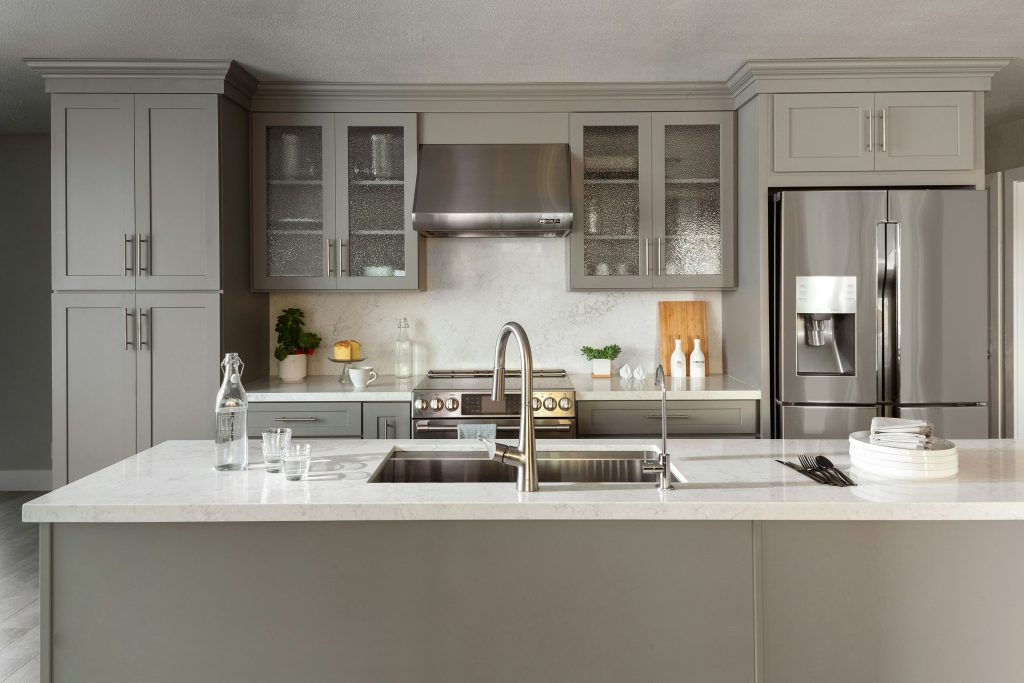
These dacor refrigerator smartthings tips exist because the app is the only place a problem ever surfaces on a Dacor column or French door refrigerator, and owners searching for a code number are searching for something that does not appear anywhere in Dacor’s own documentation. The user manuals for the column refrigerator and the French door refrigerator both describe a “Monitoring Functions / Alarms” section with exactly four named alerts, none of them alphanumeric.
The four alarms and what each one actually means
Self Check is the app noticing something abnormal about how the unit is operating and is meant as an early flag, not a demand for immediate action. Abnormally High Temperature means the cabinet has drifted above its expected range for long enough that the app considers it worth a push notification, and this is the one alarm worth treating with real urgency, since delayed action risks the contents. Door Open simply means a door sat open longer than the set threshold, which is frequently a grocery-unload event rather than a seal problem. Filter Replacement is a maintenance reminder tied to the water or deodorizer filter’s service interval, not a problem at all.
Why owners misread these alarms
The most common mistake is treating any alarm as equally urgent, when in practice three of the four are informational and only one — Abnormally High Temperature — describes a condition that can spoil food if ignored. The second common mistake is assuming a persistent Door Open alert means a broken latch, when a misaligned panel-ready door front or a bag of groceries left resting against the seal produces the identical alert. Before assuming hardware failure, check that the door swings fully closed under its own weight and that nothing in the door bins is propping the seal open.
What these dacor refrigerator smartthings tips will not tell you
Multiple repair-blog sites list codes such as 5E, 21E, 22E, and 41E for Dacor refrigerators, framing them as if they display on the cabinet the way an older appliance’s code panel would. No Dacor-branded manual in our research shows any of those strings anywhere, and the physical unit itself displays nothing beyond the ordinary temperature readout and the door-alarm chime — everything else lives only inside the connected app as one of the four named alerts above. Treating those aggregator codes as real is the fastest way to misdiagnose a Dacor refrigerator, because there is nothing on the appliance itself to confirm them against.
What to do before you call
Open the app and read the exact wording of whatever alert triggered — Self Check, Abnormally High Temperature, Door Open, or Filter Replacement — rather than paraphrasing it from memory, since the exact alert name tells a technician what to expect before arriving. If the alert is Abnormally High Temperature, check that the condenser coils and rear airflow path are not blocked and that nothing has propped a door open, then note how long the temperature has been elevated. If the app shows the unit “offline,” that is a Wi-Fi connectivity issue, not a refrigeration problem, and is worth ruling out before booking a visit. Our refrigerator error codes page lays out all four alarms in more detail, and our refrigerator appliance page covers the current model lineup by SKU.
When to book service
An Abnormally High Temperature alert that does not clear after checking airflow and door seating, a compressor that never cycles off, or visible water pooling under the unit are worth an experienced technician’s time rather than continued troubleshooting through the app alone. We are an independent service, not affiliated with Dacor or Samsung, and our labor is covered for 30 days. Have the model number ready — it is on the appliance itself, though we cannot confirm one universal rating-plate location for refrigerators the way Dacor documents for its wall ovens — and schedule a visit once you have read the alert name exactly as the app shows it. For current model specifications, Dacor’s own site lists the full refrigeration lineup.